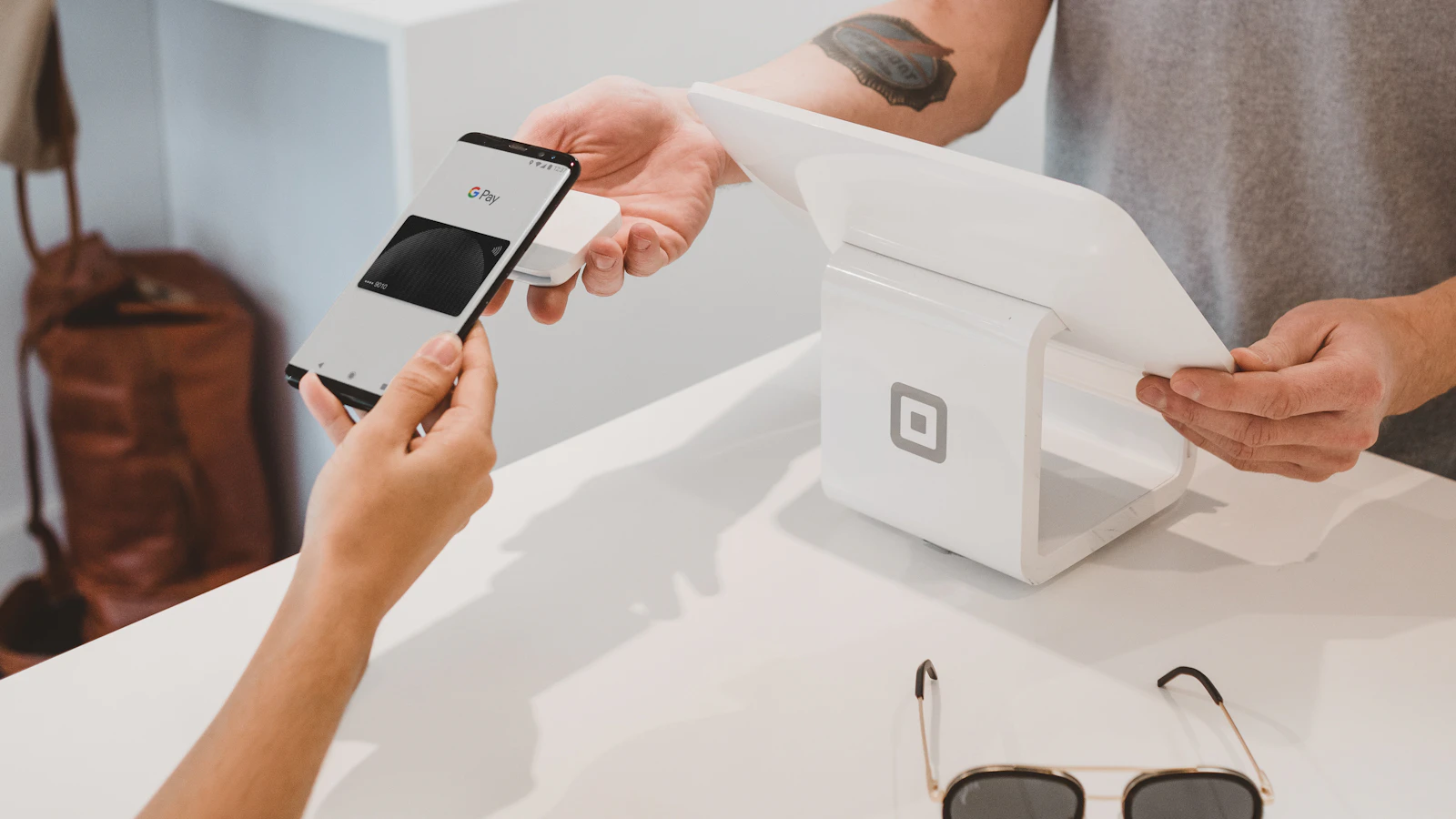
Developing an e-commerce app in Malaysia follows six stages: market validation, feature scoping, UI/UX design, development, payment gateway integration, and launch. A medium-complexity e-commerce app typically costs MYR 50,000 to MYR 150,000 and takes two to five months to ship. This guide walks through each stage so you know exactly what to plan for, what to budget, and where Malaysian-specific requirements will shape your build.
Advisory Apps has delivered 150+ projects since 2012, including e-commerce platforms, marketplace apps, and retail solutions for Malaysian businesses. The steps below reflect what actually works in production — not theory.
Why Build a Dedicated E-Commerce App Instead of Using a Marketplace?
Shopee, Lazada, and Grab already dominate Malaysian e-commerce. So why build your own app?
Three reasons: margin control, customer data, and brand experience.
On marketplace platforms, you pay 3% to 15% commission per transaction, you do not own the customer relationship, and your product listing sits next to your competitors’. A dedicated e-commerce app gives you direct access to your buyers, full control over pricing and promotions, and the ability to build loyalty features — push notifications, reward points, member-only pricing — that marketplaces will never offer.
That does not mean you should abandon marketplaces. Many of our clients run both: marketplace listings for discovery and paid acquisition, plus a branded app for repeat buyers and higher-margin direct sales. The app becomes the retention engine.
If your repeat-purchase rate is above 20% or your average order value exceeds MYR 80, a custom app will likely pay for itself within 12 to 18 months through reduced commission fees alone.
Step 1: Validate the Concept and Define Your Scope
Before writing a single line of code, answer three questions:
- Who is your buyer? Define the primary persona — age, location, device preference, spending habits. In Malaysia, Android holds roughly 70% market share, but iOS users in Klang Valley tend to have higher average order values.
- What is the core transaction? Physical goods with shipping? Digital products? Subscription boxes? Services with booking? Each model has different feature requirements.
- What does your MVP look like? List every feature you want, then cut it to the ten that matter most for launch. Everything else goes into a post-launch roadmap.
A structured discovery phase takes two to three weeks and typically costs MYR 5,000 to MYR 15,000 if you engage a development partner. At Advisory Apps, we deliver a scope document, wireframes, and a rough cost estimate at the end of this phase — enough for you to make a confident go or no-go decision.
For a detailed look at how we approach UI/UX design during discovery, including user research and prototyping, see our design service page.
Step 2: Plan the Features That Matter
Not every e-commerce app needs every feature at launch. Here is how to prioritise:
Must-have for launch:
- User registration and login (email, phone OTP, social login)
- Product catalogue with categories, search, and filters
- Shopping cart and checkout flow
- Payment gateway integration (FPX, credit/debit cards, e-wallets)
- Order confirmation and tracking
- Push notifications for order updates
- Basic admin panel for product and order management
Add after launch (v2 and beyond):
- Wishlist and saved items
- Product reviews and ratings
- Loyalty points and referral programmes
- AI-powered product recommendations
- Live chat or chatbot support
- Multi-language support (Bahasa Malaysia, English, Chinese)
- Integration with logistics APIs (Pos Laju, J&T, DHL eCommerce)
The temptation is to build everything in v1. Resist it. A focused MVP with a clean checkout flow and reliable payment processing will outperform a bloated app that crashes on the payment screen. You can always iterate after launch based on real user data.
Step 3: Choose the Right Tech Stack
Your tech stack decision affects development speed, long-term maintenance cost, and the talent pool available to support the app after launch.
Front-end (mobile app):
| Option | Best for | Consideration |
|---|---|---|
| Flutter | Cross-platform apps with custom UI | Single codebase for iOS and Android; strong in Malaysia’s developer market |
| React Native | JavaScript teams, rapid prototyping | Large ecosystem; good for content-heavy apps |
| Native (Swift + Kotlin) | Performance-critical apps, heavy device API use | Two codebases; higher cost but maximum platform fidelity |
For most Malaysian e-commerce apps in 2024, Flutter is the pragmatic default. It ships a single codebase to both platforms with near-native performance, and the Flutter developer pool in Malaysia has grown significantly over the past two years.
Back-end and infrastructure:
- Node.js or Laravel for the API layer — both have strong local developer communities
- PostgreSQL or MySQL for the database
- Google Cloud or AWS & Firebase for hosting, file storage, and push notifications
- Redis for caching product catalogues and session data
If you want to understand how back-end architecture fits into a broader web application strategy, we have a dedicated service page covering that.
Step 4: Integrate Malaysian Payment Gateways
Payment integration is where Malaysian e-commerce apps differ most from global templates. Your checkout must support the payment methods your customers actually use — and in Malaysia, that means more than just credit cards.
Payment methods to support:
- FPX (Financial Process Exchange) — direct bank transfers, used by the majority of Malaysian online shoppers. Supports all major banks including Maybank, CIMB, Public Bank, RHB, and Hong Leong.
- Credit and debit cards — Visa, Mastercard, and local debit networks via 3D Secure.
- E-wallets — Touch ‘n Go eWallet, GrabPay, Boost, and ShopeePay are the most widely adopted.
- Buy Now Pay Later — Services like Atome and ShopBack PayLater are gaining traction with younger buyers.
Payment gateway providers in Malaysia:
The main aggregators that bundle these methods into a single integration are iPay88, Revenue Monster, Billplz, and Stripe (which added FPX support for Malaysian merchants). Each has different fee structures, settlement periods, and API quality. We typically recommend evaluating at least two before committing.
Transaction fees generally range from 1.5% to 3% depending on the payment method and gateway. FPX transactions tend to sit at the lower end; credit cards at the higher end.
A clean payment integration usually takes two to three weeks of development time, including sandbox testing, production certification, and error handling for failed or abandoned transactions.
Step 5: Build, Test, and Launch
With scope, design, and technical architecture locked in, the build phase follows a sprint-based cycle:
Weeks 1-4: Core build
- User authentication and profile management
- Product catalogue with search and filtering
- Shopping cart logic and checkout flow
Weeks 5-8: Payments and orders
- Payment gateway integration and testing
- Order management system
- Push notification setup
- Admin dashboard for inventory and order tracking
Weeks 9-12: Polish and QA
- Performance optimisation (target under 3 seconds for catalogue page loads)
- Security audit — SSL pinning, encrypted payment data, secure API endpoints
- UAT (user acceptance testing) with real devices across Android and iOS
- App Store and Google Play submission
Weeks 13-14: Soft launch
- Release to a controlled group of 100 to 500 users
- Monitor crash rates, checkout completion rates, and payment success rates
- Fix critical bugs before full public launch
Testing e-commerce apps requires special attention to payment edge cases: expired sessions during checkout, double-tap on the pay button, network drops mid-transaction, and partial refund flows. These are the scenarios that lose you money and customer trust if they are not handled properly.
Our e-commerce development service covers the full lifecycle from discovery through post-launch support, including payment gateway certification and store submission.
How Much Does an E-Commerce App Cost in Malaysia?
Budget is the question every business owner asks first. Here are realistic ranges for 2024:
| Complexity | Scope | MYR Range | Timeline |
|---|---|---|---|
| Simple | Single-platform, basic catalogue, one payment method, no admin panel | MYR 10,000 – 50,000 | 1 – 2 months |
| Medium | Cross-platform, full catalogue with search, multiple payment gateways, admin panel, push notifications | MYR 50,000 – 150,000 | 3 – 5 months |
| Complex | Multi-vendor marketplace, AI recommendations, logistics integration, loyalty system, multi-language | MYR 150,000 – 300,000+ | 5 – 9 months |
The biggest variable is not features — it is integration complexity. Connecting to a single payment gateway is straightforward. Connecting to three gateways, two logistics providers, an ERP system, and an inventory management tool is where timelines and costs multiply.
A few cost-saving strategies that work:
- Start with Flutter to avoid maintaining two native codebases
- Use a proven payment aggregator like iPay88 or Revenue Monster instead of integrating each bank and e-wallet separately
- Build the admin panel as a web app rather than a separate mobile app — it is cheaper and easier to maintain
- Phase your launch — ship the MVP, validate with real revenue, then invest in v2 features
What Comes After Launch?
Launching the app is the halfway point, not the finish line. Post-launch, you need:
- Monthly maintenance — OS updates from Apple and Google will break things at least twice a year. Budget MYR 3,000 to MYR 8,000 per month for ongoing maintenance and minor updates.
- Analytics and iteration — Track add-to-cart rates, checkout abandonment, and average order value. These three metrics tell you where to focus your next sprint.
- Marketing integration — Deep links for social media campaigns, UTM tracking, and push notification campaigns for abandoned carts and flash sales.
- Security updates — Payment-related apps are targets. Keep dependencies patched and run quarterly security reviews.
The apps that generate sustained revenue are the ones that treat launch as the starting line for a cycle of measure, learn, and improve.
If you are planning an e-commerce app and want a realistic scope and cost estimate tailored to your business, book a free consultation with our team. Advisory Apps has been building mobile apps for Malaysian businesses since 2012, and we will walk you through what a practical build looks like for your specific use case.